

Pride HealthPride Health
A person living well with HIV, representing lifelong affordable care and healthy aging

More confidence. Less pressure. Better sex.

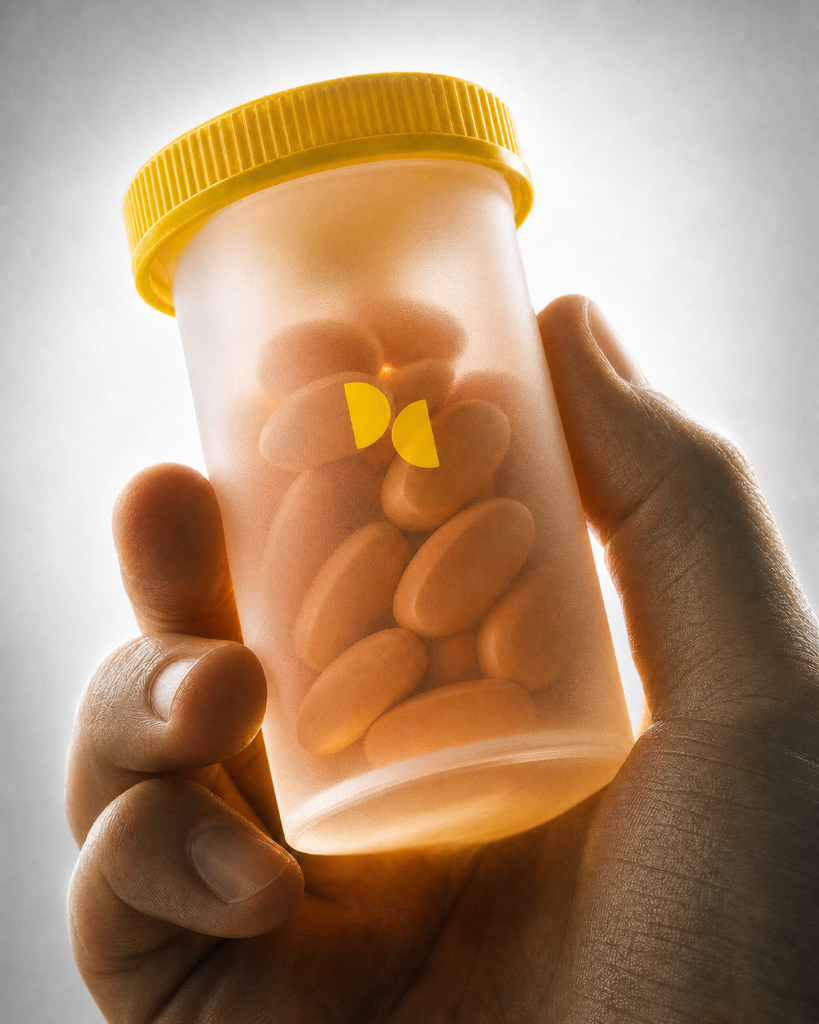
ED is more common than you think.

Erections can be affected by stress, health, medication and more. It can happen at any age, and there's nothing to be ashamed of. Confidential, judgment-free support is here.

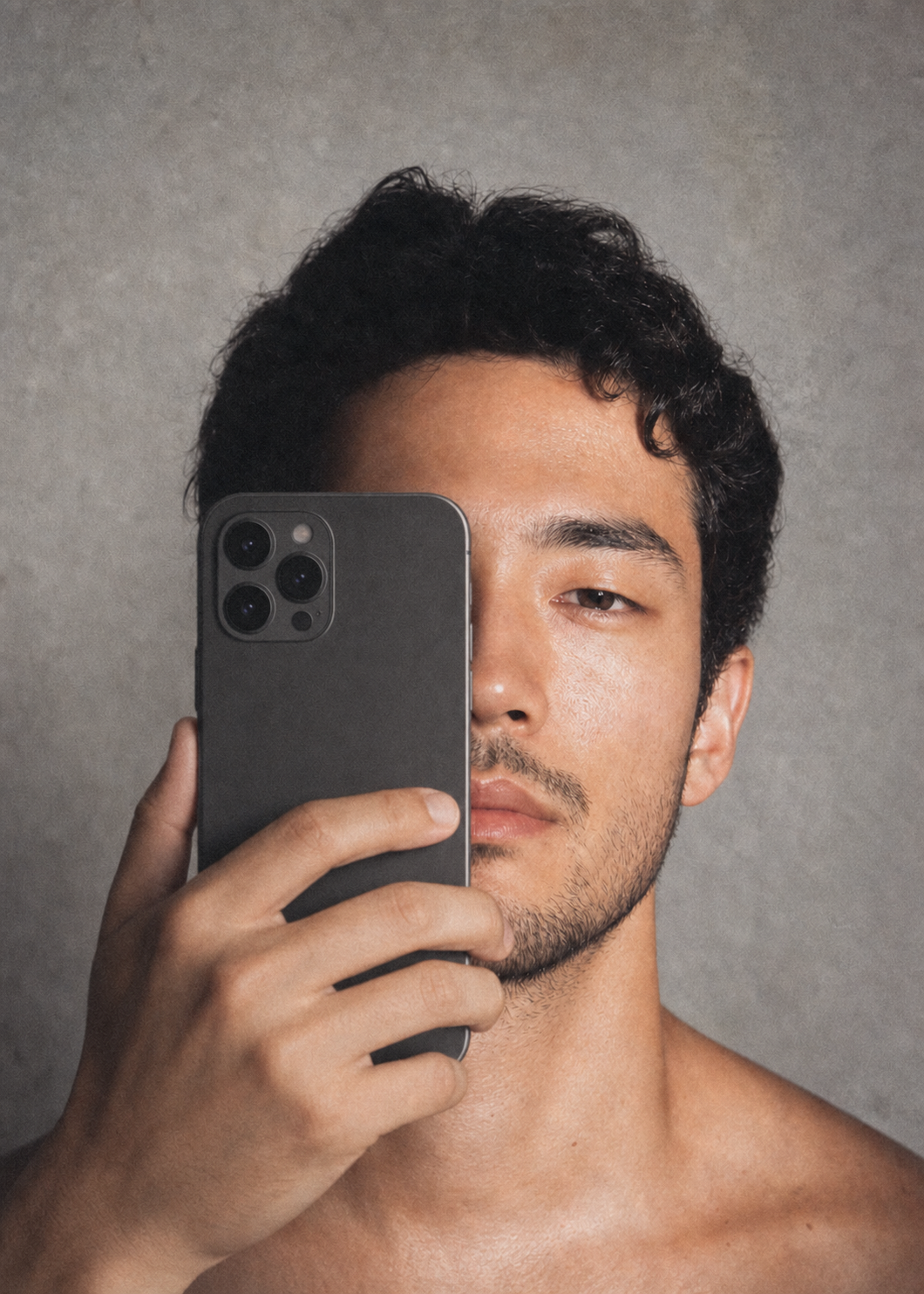
A person resting against a wall, looking down

Stress and tiredness

Running on empty

Long hours, poor sleep and chronic stress can raise cortisol and dampen desire. When your body is exhausted, intimacy is often the first thing to take a hit. Rest and the right support can make a real difference.

“Work was relentless and I was always wiped out.”

— Daniel, Hong Kong
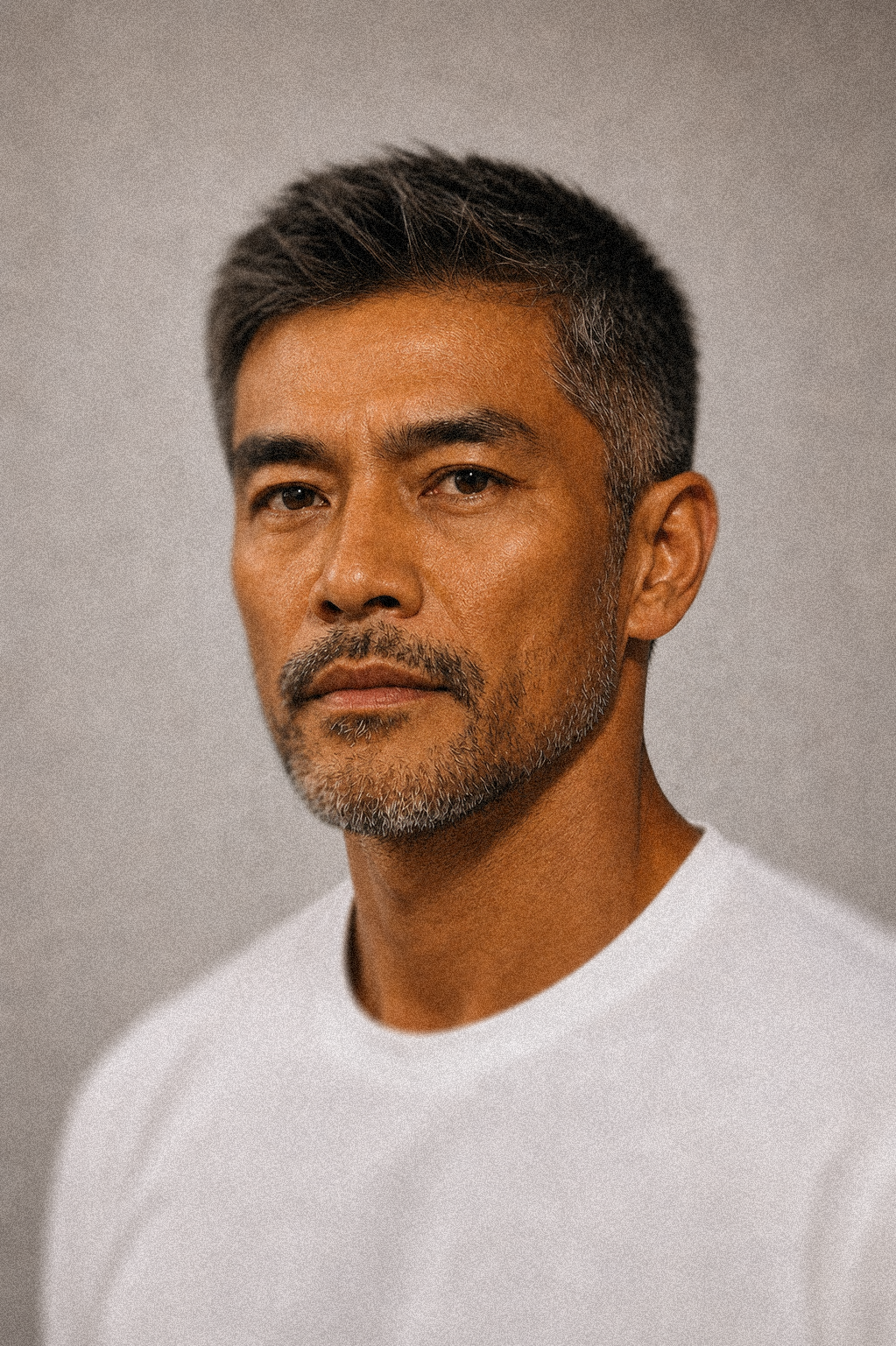
A person looking thoughtful indoors

Getting older

Age can play a part

Bodies change over time, and erections can too. Changes in circulation, overall health or medication may play a role—but getting older doesn’t mean giving up on intimacy.

“My confidence hadn’t changed—but my body had.”

— Marcus, Manila

A person sitting quietly in soft light

Performance anxiety

First-night nerves

Pressure, nerves and overthinking can interrupt arousal—even when the attraction is real. It’s common, valid and something a clinician can help with.

“I wanted to be present, but my nerves had other plans.”

— Jay, Singapore

A person in a calm, reflective moment

Alcohol and lifestyle factors

One too many

Alcohol, recreational drugs, smoking and a sedentary routine can all blunt performance and confidence. Modest lifestyle shifts often restore more than you’d expect—no overhaul required.

“A few drinks felt like they’d help me relax.”

— Saran, Kuala Lumpur

A person pausing in a dimly lit room

Performance anxiety

Pressure to perform

Pressure, nerves and overthinking can interrupt arousal—even when the attraction is real. It’s common, valid and nothing to be ashamed of.

“The more I worried about staying hard, I start to lose it. ”

— Kenneth, Singapore

A person resting against a wall, looking down

Stress and tiredness

Running on empty

Long hours, poor sleep and chronic stress can raise cortisol and dampen desire. When your body is exhausted, intimacy is often the first thing to take a hit. Rest and the right support can make a real difference.

“Work was relentless and I was always wiped out.”

— Daniel, Hong Kong

A person looking thoughtful indoors

Getting older

Age can play a part

Bodies change over time, and erections can too. Changes in circulation, overall health or medication may play a role—but getting older doesn’t mean giving up on intimacy.

“My confidence hadn’t changed—but my body had.”

— Marcus, Manila

A person sitting quietly in soft light

Performance anxiety

First-night nerves

Pressure, nerves and overthinking can interrupt arousal—even when the attraction is real. It’s common, valid and something a clinician can help with.

“I wanted to be present, but my nerves had other plans.”

— Jay, Singapore

A person in a calm, reflective moment

Alcohol and lifestyle factors

One too many

Alcohol, recreational drugs, smoking and a sedentary routine can all blunt performance and confidence. Modest lifestyle shifts often restore more than you’d expect—no overhaul required.

“A few drinks felt like they’d help me relax.”

— Saran, Kuala Lumpur

A person pausing in a dimly lit room

Performance anxiety

Pressure to perform

Pressure, nerves and overthinking can interrupt arousal—even when the attraction is real. It’s common, valid and nothing to be ashamed of.

“The more I worried about staying hard, I start to lose it. ”

— Kenneth, Singapore

How can treatment help?

More reliable erections
1

More reliable erections

Helping you get—and maintain—an erection when you’re aroused.

Less pressure, more pleasure
2

Less pressure, more pleasure

Greater confidence can help you stay present instead of worrying about performance.

More room for spontaneity
3

More room for spontaneity

The right treatment may make intimacy feel easier, more relaxed and more connected.

Eight Essentials biomarkers for aging well with HIV

HIV care needs to evolve because by 2030, most people living with HIV will be above 50 years old.

Chronic Inflammation

Chronic Inflammation

The engine behind everything else. Even with an undetectable viral load, this low-grade inflammation quietly accelerates wear on your heart, brain, bones and metabolic health.

Source: NIH overview

Cognitive & Brain Health

Cognitive & Brain Health

Protect it before you notice a problem. Chronic inflammation that affects the brain. Changes in memory, focus and processing speed accelerates when aging with HIV.

Source: NIH guidance

Testosterone & Vitality

Testosterone & Vitality

Low testosterone is common, and commonly missed. Testosterone declines earlier and more often in men living with HIV, and hormonal shifts drive fatigue, low mood, reduced libido, muscle loss and weaker bones together.

Source: NIH overview

Heart & Cardiovascular Health

Heart & Cardiovascular Health

The risk starts earlier than you'd expect. Chronic inflammation and antiretrovirals affect cholesterol, blood vessel flexibility and blood pressure over decades. The result is cardiovascular risk that outpaces your age.

Source: NIH guidance

Mental Health & Wellbeing

Mental Health & Wellbeing

Decades of vigilance take a toll. Depression, anxiety and isolation occur at significantly higher rates among people living with HIV, shaped by inflammation, stigma and the weight of managing a lifelong condition. Routine, judgement-free conversations make support part of your care.

Source: NIH overview

Cancer Screening

Cancer Screening

Earlier screening, wider protection. Persistent immune activation raises the risk of several throat and anal cancers, and some appear at younger ages than in the general population. Regular screening matched to your age, anatomy, lifestyle and risk profile is recommended to pick up changes.

Source: NIH overview

Bone Health

Bone Health

HIV itself, long-term therapy and age each pull calcium from your bones. Living with HIV after 50 carries real consequences for bone health — density loss is faster — and fractures. Knowing your risk factors reduces the risk of osteoporosis and fractures before they change your life.

Source: NIH overview

Diabetes & Metabolic Health

Diabetes & Metabolic Health

Small shifts compound over decades. Insulin resistance, rising cholesterol, visceral fat and blood pressure creep upward with age, lifestyle and some treatment regimens. Caught early, metabolic change responds well to adjustment. Left unmeasured for years, it becomes the foundation for heart disease and diabetes.

Source: NIH overview

Scroll

ED Care, Made Simple

Complete a 2-minute online assessment
1

Complete a 2-minute online assessment

Tell us about your health, treatment and long-term care needs.

Consult with our ED specialist
2

Consult with our ED specialist

Upload your relevant records through our confidential care platform.

Receive a treatment plan tailored to you
3

Receive a treatment plan tailored to you

Review your treatment, ask questions and build a personalised care plan.

Receive your medication wherever you are, discreetly delivered to your day within 5 working days
4

Receive your medication wherever you are, discreetly delivered to your day within 5 working days

Get discreet, reliable refills delivered to your chosen address in supported locations.

Built by doctors, researchers and gay men with lived experience, Pride Health offers confidential, judgment-free ED care shaped around your lifestyle — without stigma or shame.

Expert care, grounded in medicine.

Dr. Boom Kantamalee

Dr. Boom Kantamalee

Languages:
English, Thai

A specialist in infectious diseases with a focus on HIV, sexual health, and preventive care for the LGBTQ+ community. Dr. Boom is experienced in STI management, PrEP protocols, and creating an affirming clinical space for patients across all backgrounds.

Dr. Jakkrapatara Boonruang (Fair)

Dr. Jakkrapatara Boonruang (Fair)

Languages:
English, Thai

A leading sexual health physician specialising in STI screening, prevention, and treatment for the LGBTQ+ community. Affiliated with Thailand’s Institute of HIV Research and Innovation, Dr. Fair delivers evidence-based, judgment-free care — helping patients take control of their sexual health with confidence.

Frequent Asked Questions

PrEP care that’s private, affirming and built around real life.

I wanted to explore PrEP, but I was nervous about being judged for my sex life. The doctor made the conversation feel completely normal, answered my questions clearly and helped me understand whether PrEP was appropriate for me.

D
Daniel34 • Singapore
3 days ago

Between work and travel, making repeated clinic visits felt unrealistic. Being able to complete my consultation online and get clear guidance on the required tests made starting PrEP feel much more manageable.

W
Wei Ming41 • Hong Kong
1 week ago

My biggest concern was being recognised at a sexual health clinic. Speaking with a doctor privately from home removed that pressure and gave me the space to ask questions I had been avoiding.

A
Arif29 • Kuala Lumpur
5 days ago

I had heard about PrEP from friends, but I still had questions about how it worked and what taking it involved. The doctor explained everything in plain language without assuming I already knew the basics.

M
Miguel38 • Manila
2 weeks ago

I thought PrEP might only be for younger people or those with a certain kind of sex life. The consultation helped me understand that the decision should be based on my health, circumstances and preferences—not stereotypes.

S
Somchai46 • Bangkok
4 days ago

What stood out was the lack of assumptions. I didn’t have to explain or defend my identity, relationships or choices. The conversation stayed focused on my health and what would work for me.

J
Jason32 • Singapore
6 days ago

Anxiety about HIV had started affecting how present I felt during sex. Learning more about PrEP and discussing a broader sexual-health plan with a doctor helped me make a more informed decision about my care.

H
Hafiz36 • Jakarta
1 week ago

I travel frequently and worried about keeping up with prescriptions and follow-up testing. The doctor helped me understand what ongoing PrEP care involves so I could plan ahead instead of leaving everything until the last minute.

K
Ken43 • Taipei
3 days ago

I had questions about side effects but felt overwhelmed by conflicting information online. My doctor talked me through what to expect, what to monitor and when to seek advice without dismissing my concerns.

N
Nattapong31 • Chiang Mai
5 days ago

Remembering a daily tablet was my main concern. Instead of telling me to just ‘be more disciplined’, the doctor helped me think through a routine that could fit naturally into my day.

M
Marcus39 • Singapore
2 days ago

As a gay man, I was prepared for awkward questions or assumptions about having multiple partners. Instead, I was treated with respect from the start and could speak honestly without feeling judged.

S
Samuel37 • Singapore
4 days ago

There is so much confusing information online about daily and event-based PrEP. The doctor explained the available approaches and helped me understand that suitability depends on individual circumstances and clinical guidance.

E
Ethan30 • Kuala Lumpur
1 week ago

I kept postponing PrEP because I assumed starting would be complicated. Having the consultation, testing requirements and next steps explained clearly made the process feel far less intimidating.

N
Noah27 • Singapore
5 days ago

I take other medication and wanted to be sure PrEP could be considered safely alongside it. I appreciated that the doctor reviewed my wider health instead of treating PrEP as a one-size-fits-all decision.

G
Gabriel45 • Bangkok
2 weeks ago

I wanted to understand whether PrEP was still suitable as I got older. The doctor took time to discuss my health, the recommended monitoring and the questions I should consider before deciding.

J
Jonathan51 • Hong Kong

4 days ago

Privacy was my biggest concern. The consultation and communication were handled discreetly, which meant I could focus on making the right healthcare decision without worrying about who might find out.

A
Aditya34 • Jakarta
6 days ago

I had questions about PrEP, alcohol and recreational drugs that I never felt comfortable asking at a traditional clinic. Here, I could be honest and receive clear safety information without a lecture.

R
Ryan40 • Manila
1 week ago

I was nervous that online care might feel rushed or impersonal. Instead, the doctor listened carefully, explained the testing and follow-up involved, and gave me time to ask everything on my mind.

M
Michael42 • Singapore
3 days ago

I wanted PrEP care that could fit around my life without sacrificing proper medical guidance. The online process made it easier to speak with a doctor, understand my options and access follow-up support.

A
Alex33 • Bangkok
5 days ago

Talking about HIV prevention can feel isolating, especially when stigma makes you second-guess yourself. Being met with straightforward, judgment-free care reminded me that taking charge of my sexual health is nothing to hide.

R
Ravi39 • Kuala Lumpur
2 days ago

I wanted to explore PrEP, but I was nervous about being judged for my sex life. The doctor made the conversation feel completely normal, answered my questions clearly and helped me understand whether PrEP was appropriate for me.

D
Daniel34 • Singapore
3 days ago

Between work and travel, making repeated clinic visits felt unrealistic. Being able to complete my consultation online and get clear guidance on the required tests made starting PrEP feel much more manageable.

W
Wei Ming41 • Hong Kong
1 week ago

My biggest concern was being recognised at a sexual health clinic. Speaking with a doctor privately from home removed that pressure and gave me the space to ask questions I had been avoiding.

A
Arif29 • Kuala Lumpur
5 days ago

I had heard about PrEP from friends, but I still had questions about how it worked and what taking it involved. The doctor explained everything in plain language without assuming I already knew the basics.

M
Miguel38 • Manila
2 weeks ago

I thought PrEP might only be for younger people or those with a certain kind of sex life. The consultation helped me understand that the decision should be based on my health, circumstances and preferences—not stereotypes.

S
Somchai46 • Bangkok
4 days ago

What stood out was the lack of assumptions. I didn’t have to explain or defend my identity, relationships or choices. The conversation stayed focused on my health and what would work for me.

J
Jason32 • Singapore
6 days ago

Anxiety about HIV had started affecting how present I felt during sex. Learning more about PrEP and discussing a broader sexual-health plan with a doctor helped me make a more informed decision about my care.

H
Hafiz36 • Jakarta
1 week ago

I travel frequently and worried about keeping up with prescriptions and follow-up testing. The doctor helped me understand what ongoing PrEP care involves so I could plan ahead instead of leaving everything until the last minute.

K
Ken43 • Taipei
3 days ago

I had questions about side effects but felt overwhelmed by conflicting information online. My doctor talked me through what to expect, what to monitor and when to seek advice without dismissing my concerns.

N
Nattapong31 • Chiang Mai
5 days ago

Remembering a daily tablet was my main concern. Instead of telling me to just ‘be more disciplined’, the doctor helped me think through a routine that could fit naturally into my day.

M
Marcus39 • Singapore
2 days ago

As a gay man, I was prepared for awkward questions or assumptions about having multiple partners. Instead, I was treated with respect from the start and could speak honestly without feeling judged.

S
Samuel37 • Singapore
4 days ago

There is so much confusing information online about daily and event-based PrEP. The doctor explained the available approaches and helped me understand that suitability depends on individual circumstances and clinical guidance.

E
Ethan30 • Kuala Lumpur
1 week ago

I kept postponing PrEP because I assumed starting would be complicated. Having the consultation, testing requirements and next steps explained clearly made the process feel far less intimidating.

N
Noah27 • Singapore
5 days ago

I take other medication and wanted to be sure PrEP could be considered safely alongside it. I appreciated that the doctor reviewed my wider health instead of treating PrEP as a one-size-fits-all decision.

G
Gabriel45 • Bangkok
2 weeks ago

I wanted to understand whether PrEP was still suitable as I got older. The doctor took time to discuss my health, the recommended monitoring and the questions I should consider before deciding.

J
Jonathan51 • Hong Kong
4 days ago

Privacy was my biggest concern. The consultation and communication were handled discreetly, which meant I could focus on making the right healthcare decision without worrying about who might find out.

A
Aditya34 • Jakarta
6 days ago

I had questions about PrEP, alcohol and recreational drugs that I never felt comfortable asking at a traditional clinic. Here, I could be honest and receive clear safety information without a lecture.

R
Ryan40 • Manila
1 week ago

I was nervous that online care might feel rushed or impersonal. Instead, the doctor listened carefully, explained the testing and follow-up involved, and gave me time to ask everything on my mind.

M
Michael42 • Singapore
3 days ago

I wanted PrEP care that could fit around my life without sacrificing proper medical guidance. The online process made it easier to speak with a doctor, understand my options and access follow-up support.

A
Alex33 • Bangkok
5 days ago

Talking about HIV prevention can feel isolating, especially when stigma makes you second-guess yourself. Being met with straightforward, judgment-free care reminded me that taking charge of my sexual health is nothing to hide.

R
Ravi39 • Kuala Lumpur
2 days ago