
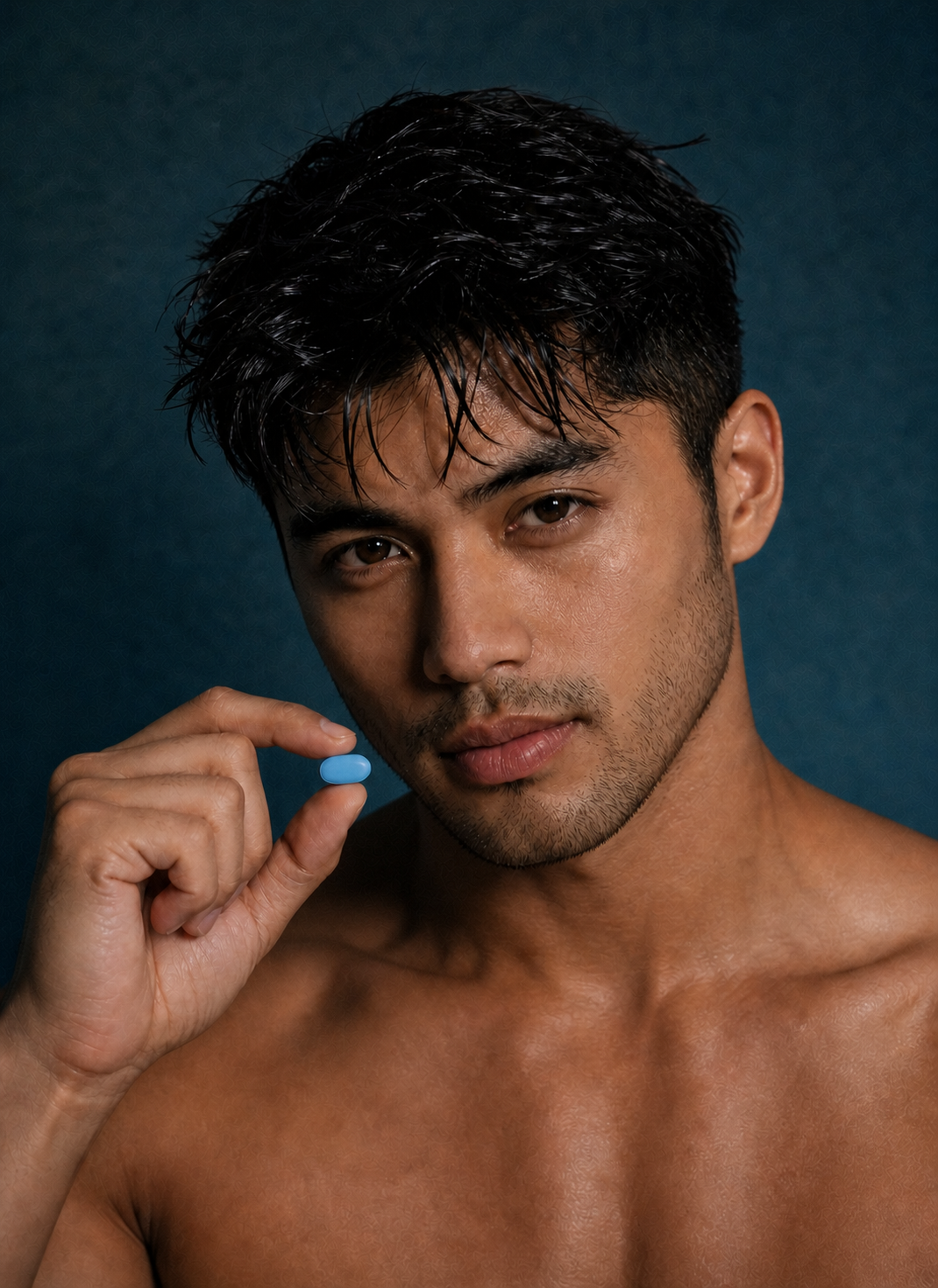
PrEP On-demand
PrEP (Pre-Exposure Prophylaxis) Is an effective HIV prevention pill. It can be taken on-demand, offers flexibility for those with lower risk of HIV.
Brand (Choose an option)
Buy onceS$48Tenof-EM One-time order
Subscribe & SaveS$48.00Tenof-EM
Complete Your Care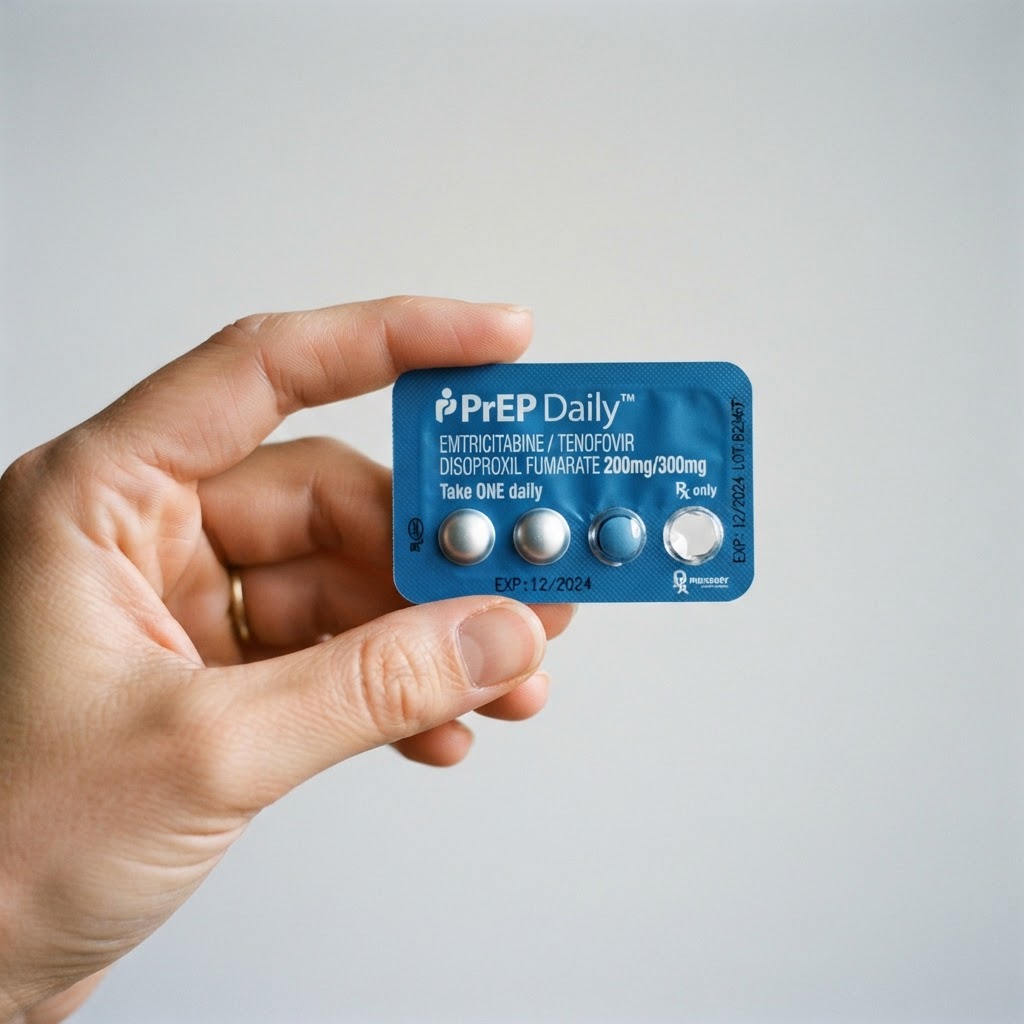
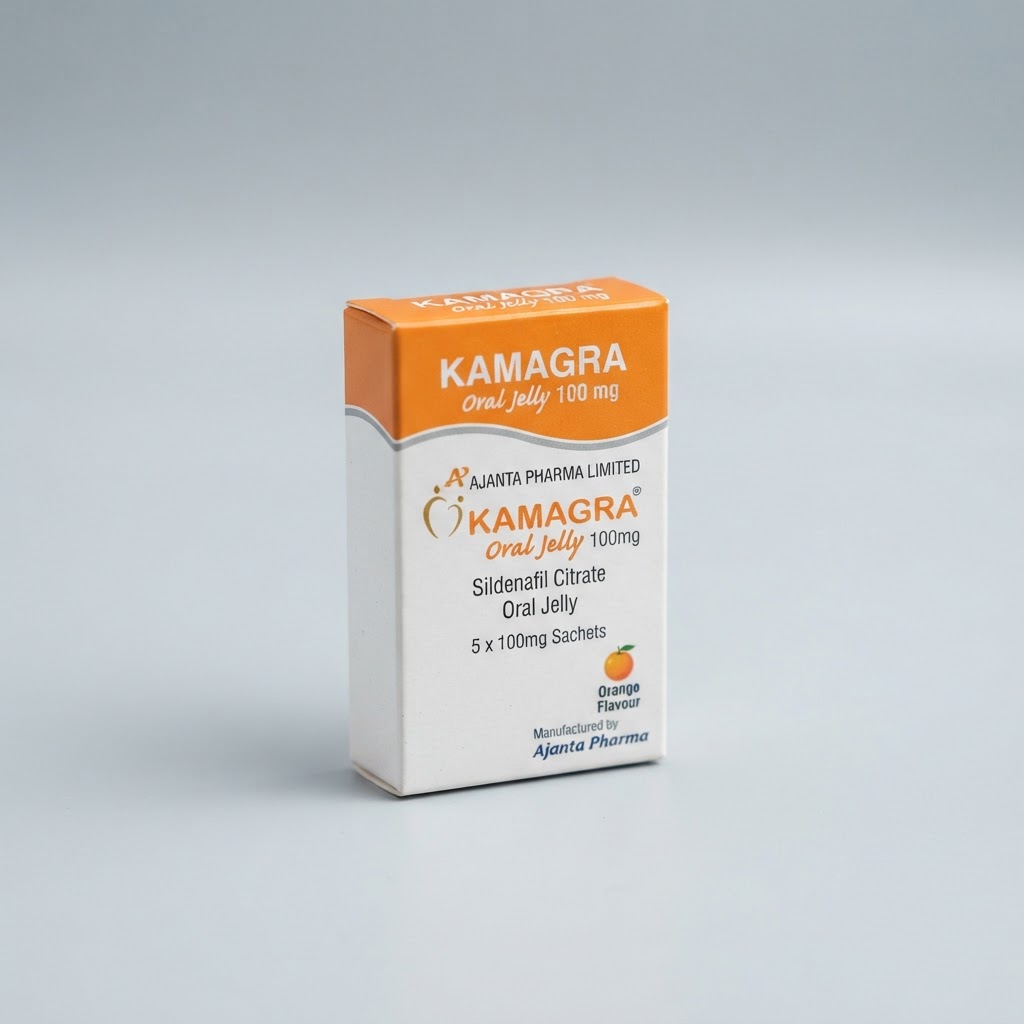
Kamagra Gel SildenafilS$25
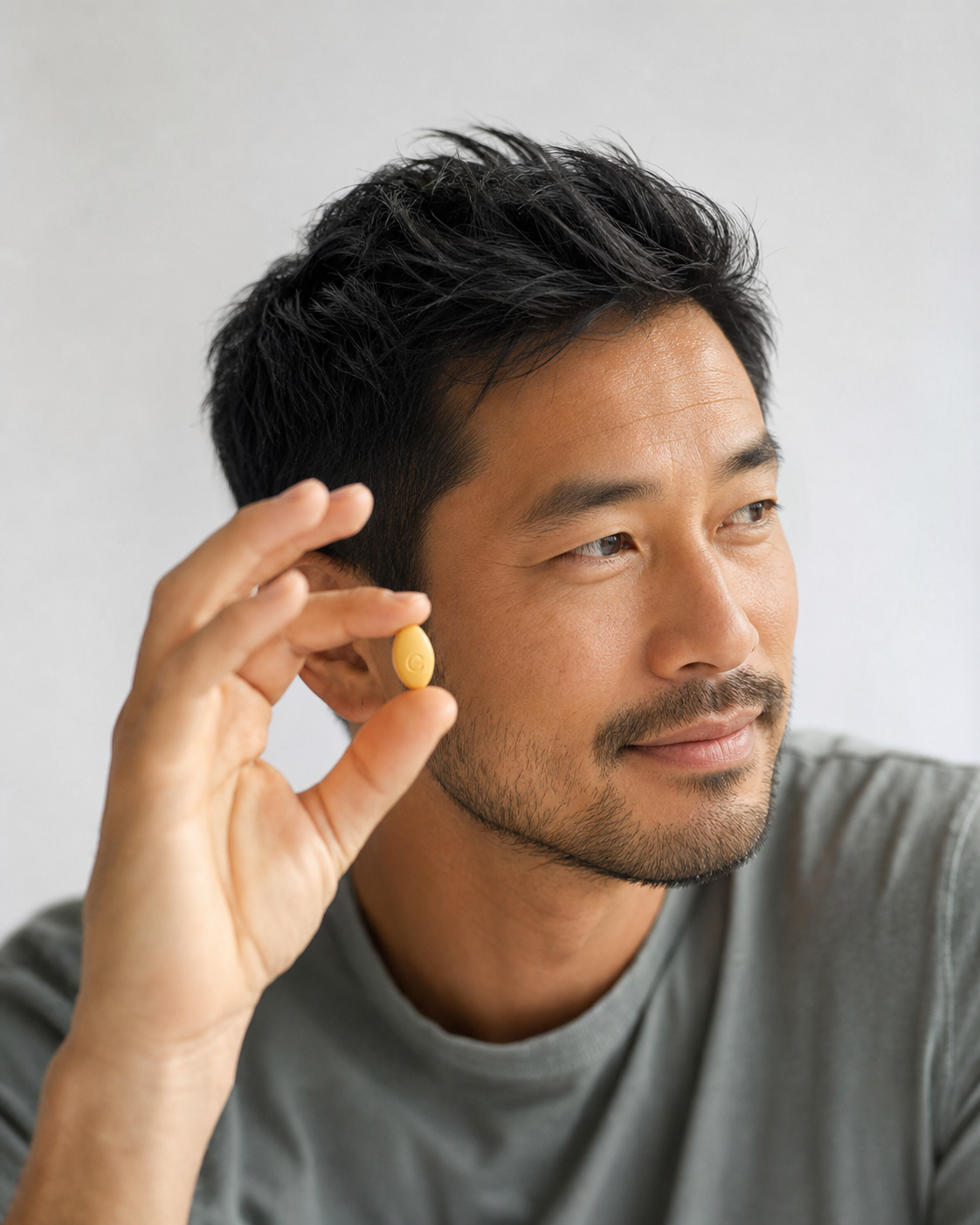
Doxy-PEPFrom S$13
PrEP Daily & Doxy-PEP SubscriptionS$152 – S$535 every quarter
HIV self test-kit (Oral)S$22 every 6 months
PrEP essentials
Starting PrEP? We've gathered the essentials to make it simpler.
Before starting PrEP, you'll need a confirmed negative HIV test and a clinician's assessment.
PrEP (Pre-Exposure Prophylaxis) is a highly effective way to prevent HIV when taken as prescribed. On-demand PrEP — the 2-1-1 method — is taken only around specific moments, offering flexibility for people whose HIV risk is occasional and who can plan ahead.
Our clinicians review your assessment and confirm PrEP is suitable before your medication ships.
Daily or on-demand PrEP: what's the difference?
Daily PrEP means taking one pill every day for continuous protection — best if your risk is regular or unpredictable.
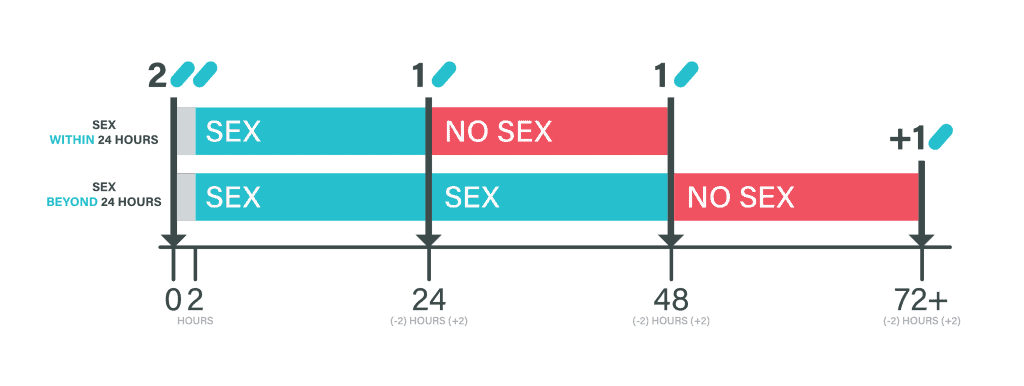
On-demand PrEP is taken only before and after sex, offering flexibility for those with lower, occasional risk who can plan ahead.
- 2 pills, 2–24 hours before sex
- 1 pill, 24 hours after the first dose
- 1 pill, 48 hours after the first dose
Timing matters — follow the schedule closely to stay protected.
Common questions about PrEP
Often bought together
PrEP on-demand (Tenof-EM)
From S$48PrEP on-demand (Teno-EM)
From S$44PrEP Daily
From S$35PrEP Daily + Doxy-PEP
S$152 – S$535 / qtrPrEP care that’s private, affirming and built around real life.
I wanted to explore PrEP, but I was nervous about being judged for my sex life. The doctor made the conversation feel completely normal, answered my questions clearly and helped me understand whether PrEP was appropriate for me.
D
Daniel34 • Singapore
Between work and travel, making repeated clinic visits felt unrealistic. Being able to complete my consultation online and get clear guidance on the required tests made starting PrEP feel much more manageable.
W
Wei Ming41 • Hong Kong
My biggest concern was being recognised at a sexual health clinic. Speaking with a doctor privately from home removed that pressure and gave me the space to ask questions I had been avoiding.
A
Arif29 • Kuala Lumpur
I had heard about PrEP from friends, but I still had questions about how it worked and what taking it involved. The doctor explained everything in plain language without assuming I already knew the basics.
M
Miguel38 • Manila
I thought PrEP might only be for younger people or those with a certain kind of sex life. The consultation helped me understand that the decision should be based on my health, circumstances and preferences—not stereotypes.
S
Somchai46 • Bangkok
What stood out was the lack of assumptions. I didn’t have to explain or defend my identity, relationships or choices. The conversation stayed focused on my health and what would work for me.
J
Jason32 • Singapore
Anxiety about HIV had started affecting how present I felt during sex. Learning more about PrEP and discussing a broader sexual-health plan with a doctor helped me make a more informed decision about my care.
H
Hafiz36 • Jakarta
I travel frequently and worried about keeping up with prescriptions and follow-up testing. The doctor helped me understand what ongoing PrEP care involves so I could plan ahead instead of leaving everything until the last minute.
K
Ken43 • Taipei
I had questions about side effects but felt overwhelmed by conflicting information online. My doctor talked me through what to expect, what to monitor and when to seek advice without dismissing my concerns.
N
Nattapong31 • Chiang Mai
Remembering a daily tablet was my main concern. Instead of telling me to just ‘be more disciplined’, the doctor helped me think through a routine that could fit naturally into my day.
M
Marcus39 • Singapore
As a gay man, I was prepared for awkward questions or assumptions about having multiple partners. Instead, I was treated with respect from the start and could speak honestly without feeling judged.
S
Samuel37 • Singapore
There is so much confusing information online about daily and event-based PrEP. The doctor explained the available approaches and helped me understand that suitability depends on individual circumstances and clinical guidance.
E
Ethan30 • Kuala Lumpur
I kept postponing PrEP because I assumed starting would be complicated. Having the consultation, testing requirements and next steps explained clearly made the process feel far less intimidating.
N
Noah27 • Singapore
I take other medication and wanted to be sure PrEP could be considered safely alongside it. I appreciated that the doctor reviewed my wider health instead of treating PrEP as a one-size-fits-all decision.
G
Gabriel45 • Bangkok
I wanted to understand whether PrEP was still suitable as I got older. The doctor took time to discuss my health, the recommended monitoring and the questions I should consider before deciding.
J
Jonathan51 • Hong Kong
Privacy was my biggest concern. The consultation and communication were handled discreetly, which meant I could focus on making the right healthcare decision without worrying about who might find out.
A
Aditya34 • Jakarta
I had questions about PrEP, alcohol and recreational drugs that I never felt comfortable asking at a traditional clinic. Here, I could be honest and receive clear safety information without a lecture.
R
Ryan40 • Manila
I was nervous that online care might feel rushed or impersonal. Instead, the doctor listened carefully, explained the testing and follow-up involved, and gave me time to ask everything on my mind.
M
Michael42 • Singapore
I wanted PrEP care that could fit around my life without sacrificing proper medical guidance. The online process made it easier to speak with a doctor, understand my options and access follow-up support.
A
Alex33 • Bangkok
Talking about HIV prevention can feel isolating, especially when stigma makes you second-guess yourself. Being met with straightforward, judgment-free care reminded me that taking charge of my sexual health is nothing to hide.
R
Ravi39 • Kuala Lumpur
I wanted to explore PrEP, but I was nervous about being judged for my sex life. The doctor made the conversation feel completely normal, answered my questions clearly and helped me understand whether PrEP was appropriate for me.
D
Daniel34 • Singapore
Between work and travel, making repeated clinic visits felt unrealistic. Being able to complete my consultation online and get clear guidance on the required tests made starting PrEP feel much more manageable.
W
Wei Ming41 • Hong Kong
My biggest concern was being recognised at a sexual health clinic. Speaking with a doctor privately from home removed that pressure and gave me the space to ask questions I had been avoiding.
A
Arif29 • Kuala Lumpur
I had heard about PrEP from friends, but I still had questions about how it worked and what taking it involved. The doctor explained everything in plain language without assuming I already knew the basics.
M
Miguel38 • Manila
I thought PrEP might only be for younger people or those with a certain kind of sex life. The consultation helped me understand that the decision should be based on my health, circumstances and preferences—not stereotypes.
S
Somchai46 • Bangkok
What stood out was the lack of assumptions. I didn’t have to explain or defend my identity, relationships or choices. The conversation stayed focused on my health and what would work for me.
J
Jason32 • Singapore
Anxiety about HIV had started affecting how present I felt during sex. Learning more about PrEP and discussing a broader sexual-health plan with a doctor helped me make a more informed decision about my care.
H
Hafiz36 • Jakarta
I travel frequently and worried about keeping up with prescriptions and follow-up testing. The doctor helped me understand what ongoing PrEP care involves so I could plan ahead instead of leaving everything until the last minute.
K
Ken43 • Taipei
I had questions about side effects but felt overwhelmed by conflicting information online. My doctor talked me through what to expect, what to monitor and when to seek advice without dismissing my concerns.
N
Nattapong31 • Chiang Mai
Remembering a daily tablet was my main concern. Instead of telling me to just ‘be more disciplined’, the doctor helped me think through a routine that could fit naturally into my day.
M
Marcus39 • Singapore
As a gay man, I was prepared for awkward questions or assumptions about having multiple partners. Instead, I was treated with respect from the start and could speak honestly without feeling judged.
S
Samuel37 • Singapore
There is so much confusing information online about daily and event-based PrEP. The doctor explained the available approaches and helped me understand that suitability depends on individual circumstances and clinical guidance.
E
Ethan30 • Kuala Lumpur
I kept postponing PrEP because I assumed starting would be complicated. Having the consultation, testing requirements and next steps explained clearly made the process feel far less intimidating.
N
Noah27 • Singapore
I take other medication and wanted to be sure PrEP could be considered safely alongside it. I appreciated that the doctor reviewed my wider health instead of treating PrEP as a one-size-fits-all decision.
G
Gabriel45 • Bangkok
I wanted to understand whether PrEP was still suitable as I got older. The doctor took time to discuss my health, the recommended monitoring and the questions I should consider before deciding.
J
Jonathan51 • Hong Kong
Privacy was my biggest concern. The consultation and communication were handled discreetly, which meant I could focus on making the right healthcare decision without worrying about who might find out.
A
Aditya34 • Jakarta
I had questions about PrEP, alcohol and recreational drugs that I never felt comfortable asking at a traditional clinic. Here, I could be honest and receive clear safety information without a lecture.
R
Ryan40 • Manila
I was nervous that online care might feel rushed or impersonal. Instead, the doctor listened carefully, explained the testing and follow-up involved, and gave me time to ask everything on my mind.
M
Michael42 • Singapore
I wanted PrEP care that could fit around my life without sacrificing proper medical guidance. The online process made it easier to speak with a doctor, understand my options and access follow-up support.
A
Alex33 • Bangkok
Talking about HIV prevention can feel isolating, especially when stigma makes you second-guess yourself. Being met with straightforward, judgment-free care reminded me that taking charge of my sexual health is nothing to hide.
R
Ravi39 • Kuala Lumpur